Kublet: A review of a failed Kickstarter promise
Kublet launched on Kickstarter in June 2023 as a tiny data tracker, a small display that would show stock tickers, weather, and whatever else you wanted. It raised over $150,000 from 800 backers. The reality fell far short. For many backers, the project feels effectively ghosted. Kublet’s story also echoes what happened with Tidbyt, another small display platform that went quiet on its community around the same time.
The promise was a minimalist device with customizable apps and an active developer community. The comments section of the Kickstarter page tells a different story. Backers reported receiving Kublets that didn’t work. Others struggled with the companion app, a “skin and bones” offering that lacked basic functionality and frequently showed inaccurate data. Many of the promised apps never showed up.
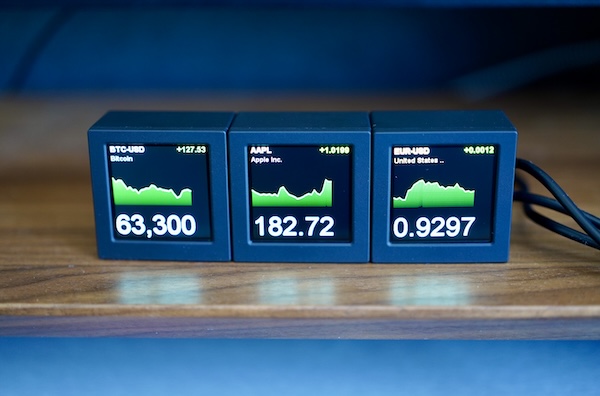
I backed the project soon after it’s launce in 2023, and I was excited to receive my 3 Kublets almost a year later in 2024. The device itself seemed decently well-designed and aesthetically pleasing, even though it did feel a bit cheep. The software was a different story. The Kublet apps where slow, buggy, and lacked many of the features promised in the campaign. The companion mobile app was empty, and the few available apps for the Kublet were poorly designed and often didn’t work. My Kublets quickly became a glorified paperweight, sitting on my desk and displaying outdated information most of the time.
Beyond the product itself, communication from the creators dwindled. Concerns raised in the comments were often met with silence or generic troubleshooting advice. Shipping issues added to the frustration, with unexpected costs and address errors. The promised developer community never took off because the tools and support weren’t there.
The Kickstarter comments section went from excited anticipation to complaints and accusations of a scam. A lot of backers feel they were sold something that doesn’t match what was shown in the campaign.
The Tidbyt situation is similar. Tidbyt is a retro-style display platform that was initially well-received, but its developers also seemed to abandon the community overnight. Tidbyt users reported the same things: communication dropped off, updates stopped, and the developer community went quiet.
Both projects show how fragile these niche hardware ecosystems are. They depend on the creators actually sticking around to maintain the software and support developers. When that stops, the whole thing falls apart fast.
For backers of both projects, the lack of support feels like a betrayal. You’re left with devices that have limited functionality and no clear future. It also makes it harder to trust the next Kickstarter campaign for this kind of product.
Months after the initial shipments, the Kublet Kickstarter page and Discord channels remains largely inactive. Updates have ceased, and the creators’ presence in the comments has become non-existent. The Tidbyt situation follows a similar trajectory. For many backers of both projects, they have become synonymous with broken promises and a creator team that appears to have vanished.
Both projects are a good reminder that even promising Kickstarter campaigns can end in silence. You’re left with hardware that works fine but software that was never finished.